HISTORICAL COURAGE
# Lady Godiva: The Woman Who Rode for Her People
10 Oct 2026 • 4 min read
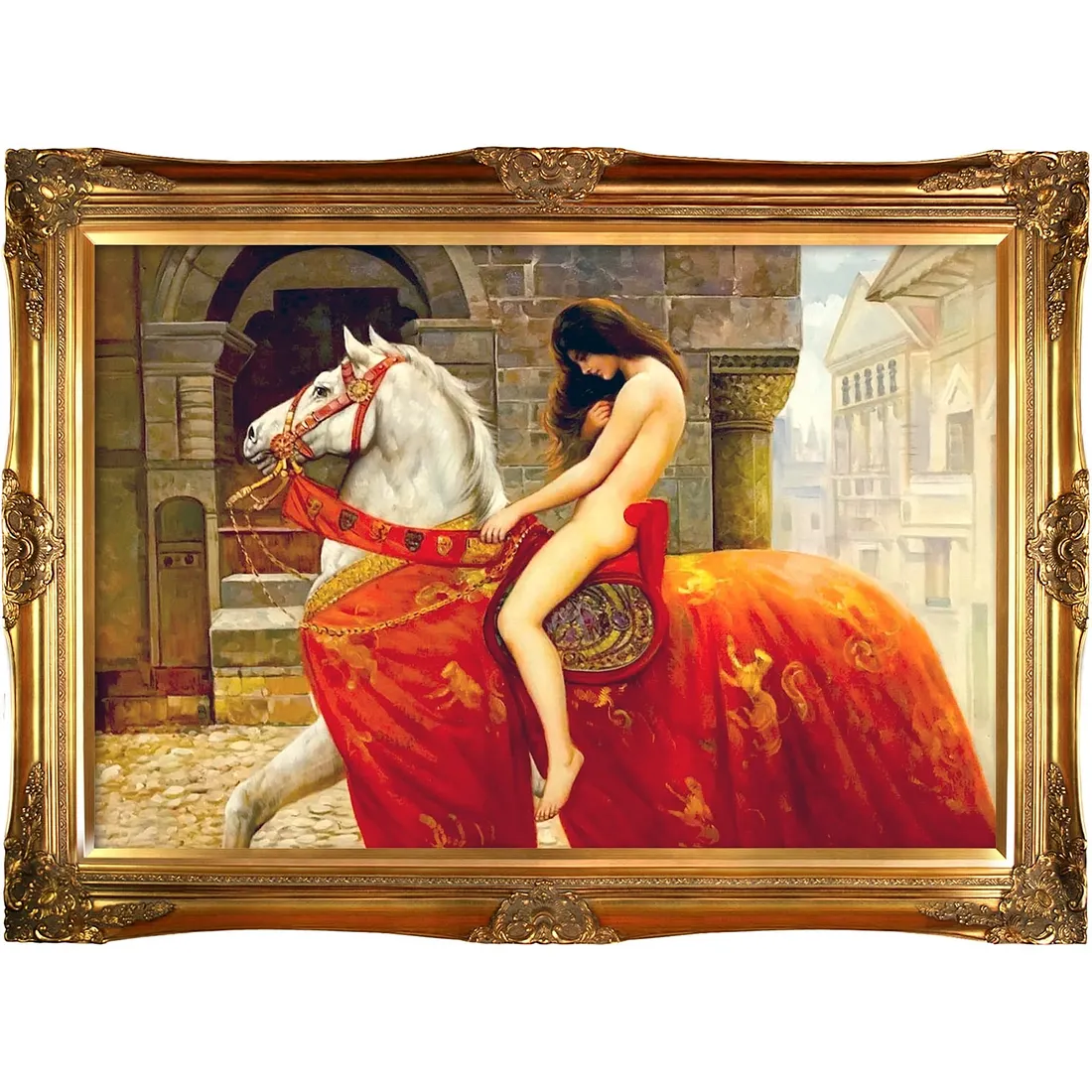
At first glance, the painting seems shocking — a woman riding naked on a horse through a town. Many people stop there. But they miss the story.
Lady Godiva was not painted to provoke desire. She was painted to portray courage. She was the wife of Leofric, Earl of Mercia, one of the wealthiest and most powerful noblemen in 11th-century England. While her husband grew richer, the people under his rule suffered under crushing taxes. Families struggled to survive. Children went hungry. Yet the taxes kept rising.
Godiva pleaded with her husband again and again to show mercy. He refused. Finally, irritated by her persistence, Leofric mocked her with an impossible challenge: ‘I will lower the taxes only if you ride naked through the streets of Coventry.’ He was certain she would never do it. But she did.
Before the ride, Lady Godiva asked every citizen to remain indoors and close their windows out of respect. According to the legend, the people honored her request. The streets fell silent as she rode through the town, covering herself only with her long flowing hair, sacrificing her dignity to save her people.
John Collier filled the painting with symbols. The white horse represents purity and moral integrity. The richly embroidered saddle and golden harness remind us of her noble status and the wealth she willingly humbled herself despite possessing. The wedding ring on her finger is a quiet reminder that the demand came from her own husband — the person who should have protected her.
Behind her, the streets appear almost empty, symbolizing a city that chose respect over curiosity. They looked away, not because they were ordered to, but because they understood the greatness of her sacrifice.
The legend later gave rise to the tale of ‘Peeping Tom,’ the only man who ignored her request for privacy. As punishment, he was struck blind — a story that became a lasting symbol of the consequences of violating another person’s dignity.
Lady Godiva’s ride was never about nudity. It was about compassion. It was about using privilege to fight for those who had none. That is why, more than nine centuries later, her story is still remembered — not as a scandal, but as one of history’s most powerful acts of selfless courage.
The question her story leaves us with is simple: What would you be willing to sacrifice to ease the suffering of others?
More Blogs
LETTER TO OUR POLITICIANS

Dear Leaders and Custodians of Governance

HAPPY FRIENDSHIP DAY

The King Who Ran Barefoot: Friendship’s Long Journey From Sudama to the Insta Feed — #happyfriendshipday
KARGIL VIJAY DIWAS

# Kargil Vijay Diwas: The Sunday We Could Not Spare